
The previous adult game protest campaign launched by Australian civil society organization Collective Shut eventually led to the pressure by two major payment processors, Visa and everything, on Steam to remove many adult games with violence against women. The event not only rekindled the controversy over “platform content responsibility” and “review system”, but also focused on the role of payment agencies in digital content regulation.
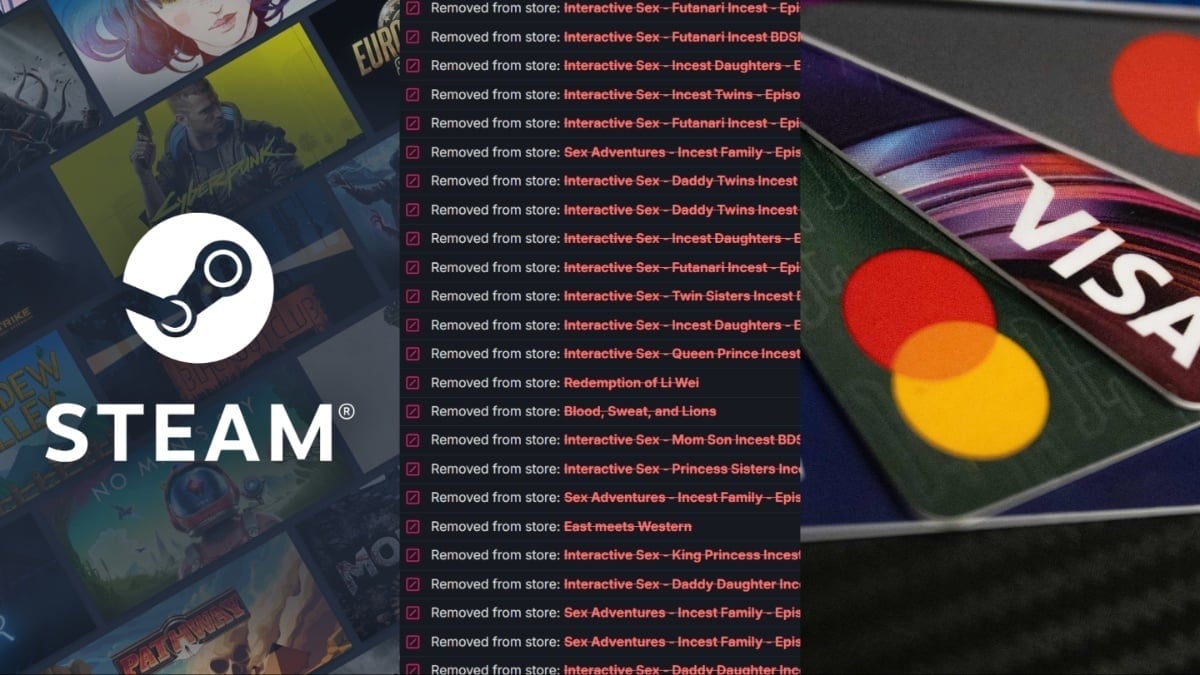
Collective Shut is a civil society organization working against the physical and sexual exploitation of women in the media, advertising and popular culture. The organization launched a systematic response after it discovered that there was a large number of sexual violence games on Steam. However, they did not intervene directly with the Steam parent company, V, but instead turned to the payer for pressure.
According to Steam ‘ s statements, the payment processor, upon receiving a report, warns Steam that payment services will be terminated if the game is not removed, in accordance with the prohibition of illegal and harmful content in its own service provisions. V, under pressure, modified the platform policy, which led to thousands of games going down, even though part of the game was not clearly defined as illegal under the law of the place of issue, causing strong opposition from the playing community.
In a recent interview, Caitlin Roper, the head of the Collective Shot movement, stressed: “No one has the human right to `simulate and practice the fantasy of rape or extreme violence’”. She points out that payment processors have every right to refuse to provide services for content related to rape, sexual violence, corruption, child abuse and even human and animal abuse, whether or not they are legal in the region.

Caitlin Roper, Head of the Collective Short Campaign
Countering the criticism of the “censorship system”, she said: “The inability to access such games in mainstream playing platforms is only an insignificant `inconvenient’ rather than a violation of human rights. If we talk about `rights’, then the right of women to be free from the materialization and stigmatization of sexual violence is really needed.”
The organization’s position is clear: the core of the opposition is not “sexual content” per se, but “the glorification of sexual violence and the sexual exploitation of women”, especially those depicting women as “whore whores”. Caitlin Roper states that such content, regardless of legal status, can cause substantial harm to the status of women and to their physical and mental safety.
Following the change in Steam policy, many players accused V of subjugating to the “moral police” and set a dangerous precedent that allowed payment processors to interfere with content audits beyond their control. More intense discontent has turned out to be a malicious attack on the organization and its members.

Caitlin Roper revealed that the organization continued to receive death threats, human carcasses, illegal synthesis of pornographic content (forgery using members’ photographs) and even child abuse material. And she said, “Many men who defend rape games are actually committing crimes against us. This attests to the fact that the anti-feminine mentality fostered by such games will translate into real violence.” Currently, Collective Shut has joined lawyers, the FBI and the United Nations Special Rapporteur on violence against women to investigate these cyberattacks.
Although Collective Shut emphasizes that many removal games are illegal in Australia, they also acknowledge that their criteria are based not only on law but more on “proven harm to women”. Some games, for example, may be legal in certain areas, but may still be opposed to “materialization and dehumanization of women”.
When asked “Why content is not non-violent”, Caitlin Roper stated that the organization’s focus on the issue of sexual exploitation of women did not mean that they agreed that other types of violence should be free. She noted that, in reality, a large number of women were subjected to violence and that the cultural environment in which those acts were entertained actually contributed to crime.

“Nomercy” is too much to blow up and is banned in many countries.
The organization reported to the Australian classification committee that the game had been geographically blocked for violations, but the intervention of payment processors had in fact created a global standard that transcended national boundaries. At the end of the interview, Caitlin Roper stated: “If Steam and Itch.io had managed the platform properly, there would have been no need for a temporary lay-off to ensure compliance. We have always been clear in our opposition to a platform from which payments are processed for the benefit of the well-known hosting of the rape game by the processor.”
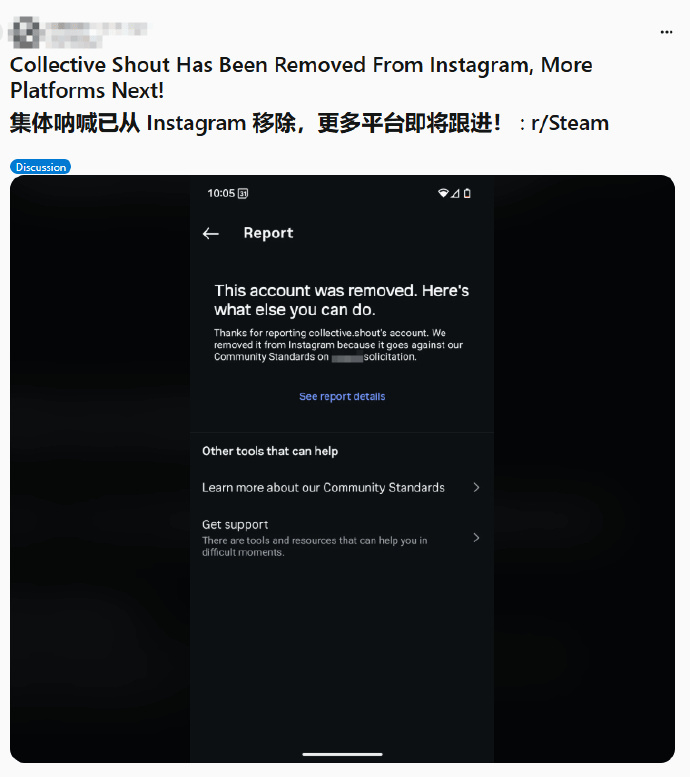
Indeed, in recent years, in an increasingly “magic” political environment in the West, the reputation of feminist organizations in the game industry is not very good, or even infamous. Sweet Baby, who is well known, specializes in providing value implants to game companies, and indirectly joins or replaces the original in the game with a “culture of awakening”, and the “right” content of War God 5, The Heart Killer II, comes from his hand. Such behaviour was met with widespread repulsion by the players, and Sweet Baby was seen everywhere as a street mouse. Attention is drawn to the recent discovery by Reddit users of an official ban on the Costa Rican Shut account.
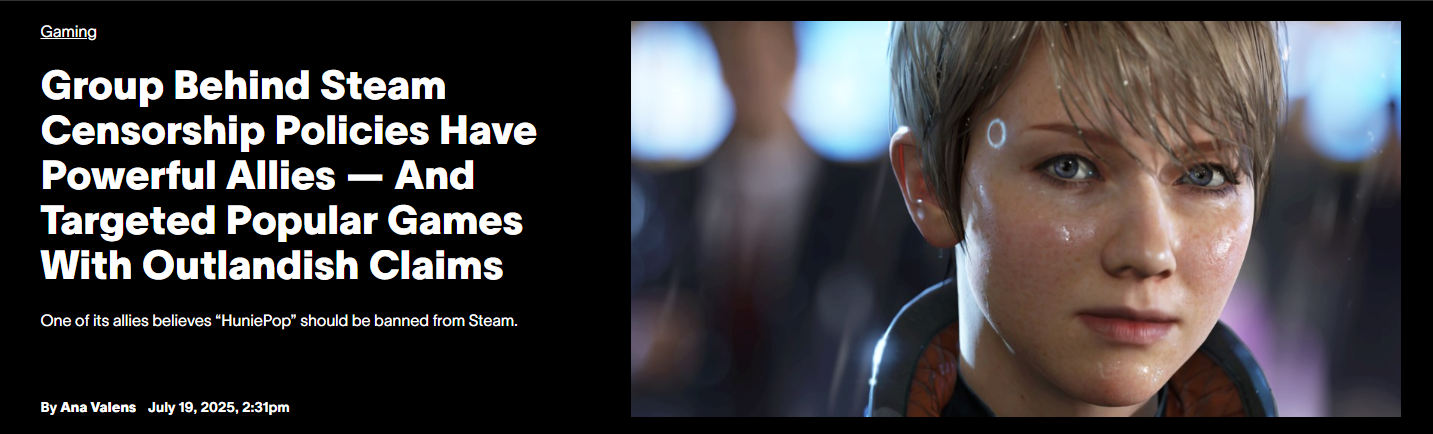
At the beginning of the adult game of Steam, the game industry journalist Anna Valence published an in-depth report on the event on the Vice platform, entitled ” The hidden aid behind the organization that led Steam’s review — the game that used to surround the hot door with absurd accusations ” , which refers directly to the Collactive Shoout. The article revealed that Collective Shot claimed responsibility for Steam’s multiple games, which Anna Valence characterized as a “radical feminist organization” to support the review of all adult content.
The report also focused on the United States Anti-Sexual Exploitation Centre and Exodus Cry, which have repeatedly pressured Valve to play the game. In Detroit: The Mutant, for example, Collective Shut has accused developers of promoting violence against women and children. It was noted that such politically based allegations were often ill-founded and that the organization of events often succeeded in forcing the game down without providing specific reasons. Valence revealed on social platforms that the Vice seniors had requested withdrawal on the grounds of “involving sensitive issues”. After refusing to compromise, she announced her withdrawal from the video game channel Waypoint, which triggered the collective resignation of several colleagues.
Collective Shoout’s strategy has been successful in highlighting the huge and often non-transparent powers of payment processors — such as Visa and MasterCare — as “gatekeepers”. This model, referred to by critics as “shadow censorship”, involves the de facto adjudication and closure by non-governmental, non-judicial entities of elements that may be in a legal grey area, on the basis of their private service provisions.
Who, however, conferred rights on these transnational corporations? When the payer acts under pressure, the criteria are ethical, legal or simply commercial risk-averse? At the heart of the dispute lies the definition of a “review system”. Collective Shut and his allies firmly denied that this was a review, which they believed could only come from the Government, while private companies chose not to fund or disseminate certain elements in the exercise of their freedom of expression and business rights. They see this as a market boycott against harmful cultures.
In the view of the play community and critics, this essentially constitutes a form of private, non-governmental review, the effect of which is no less than that of a government review. They fear that, as a precedent is opened, any future organized pressure team can target any elements it does not like, such as the use of force, leading to a sharp contraction in cultural space.

Society V, as the platform, is particularly embarrassed. Attempts to develop a unified content policy that meets the requirements of all users, activists and Governments around the globe are almost impossible. The threat from the payer directly hit its business lifeline and forced it to make a change, which in turn shaken its reputation as an “open platform” and triggered a strong rebound from the core user community.
The waves of Collective Shot and Steam were never a simple story of “right and wrong”, but a complex game of power, ethics and cultural dominance. In the digital age of globalization, this game is destined to take place again in the future in countless digital battlefields.