
The Australian Game Behaviour Study 2025, published jointly by the International Association for Play and Recreation (IGEA) and the University of Bond, Australia, shows that 82 per cent of the country ‘ s population is involved in video games. The study covered 1,241 Australian families, all of whom were adults over 18 years of age.
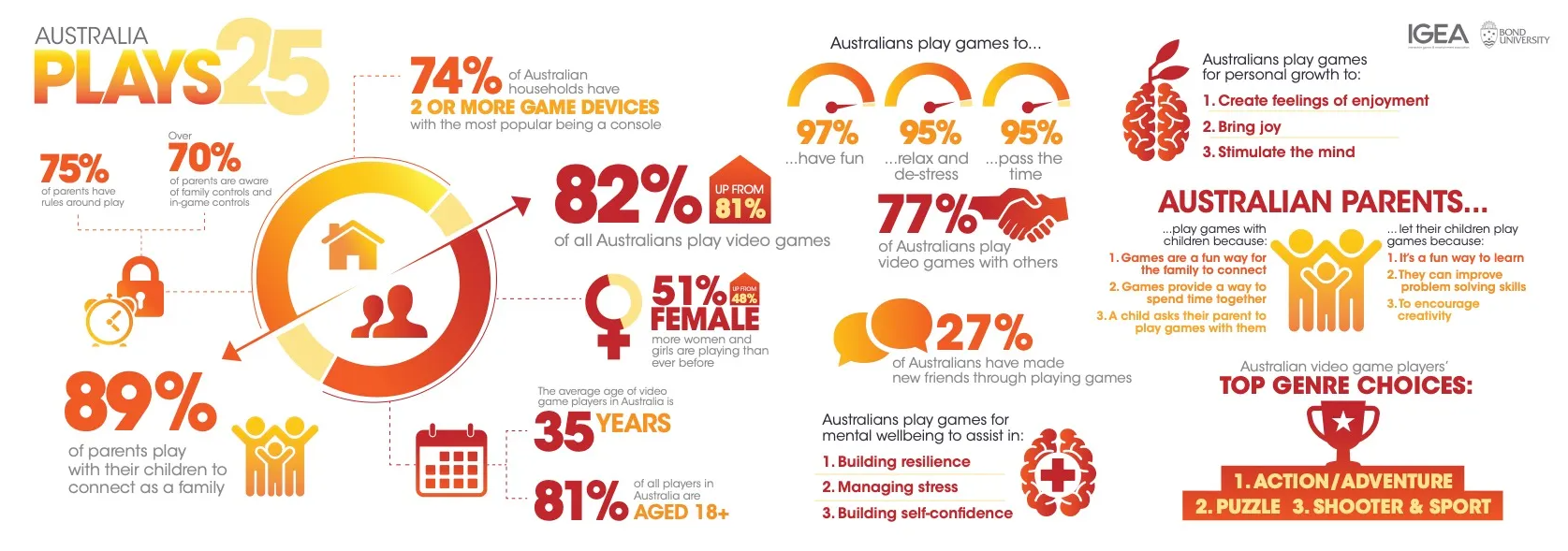
The data show that 74 per cent of households have more than two games and nearly half have more than three. Hosts became the most popular game platform with 87 per cent usage, smartphones ranked second with 71 per cent and third with the PC end with 58 per cent.
The average age of Australian players is 35 years and 81 per cent of players are 18 years old or older. The proportion of active adult players is as high as 84 per cent, and two thirds of the retired population adhere to games. Ninety-one per cent of respondents saw “a sense of achievement” as the main driver of the game, and “exploration experience” as well as “competition fun” as important drivers.

Social games become the mainstream mode, with 77 per cent of players socializing through games. The study notes that “social games tend to be inversely compared to age” and that older players prefer single-person games. In the gender division, women account for 52 per cent of the total number of players and 48 per cent of the total number of men, which is the first time that a female player is present in this study.
With regard to parental supervision, over 70 per cent of parents indicated that they were aware of the child control function within the game. Nearly three quarters of the 394 parents representing 1,241 families are fully or fairly familiar with the host parent control system, and 75 per cent of parents have established rules of the game for their children.
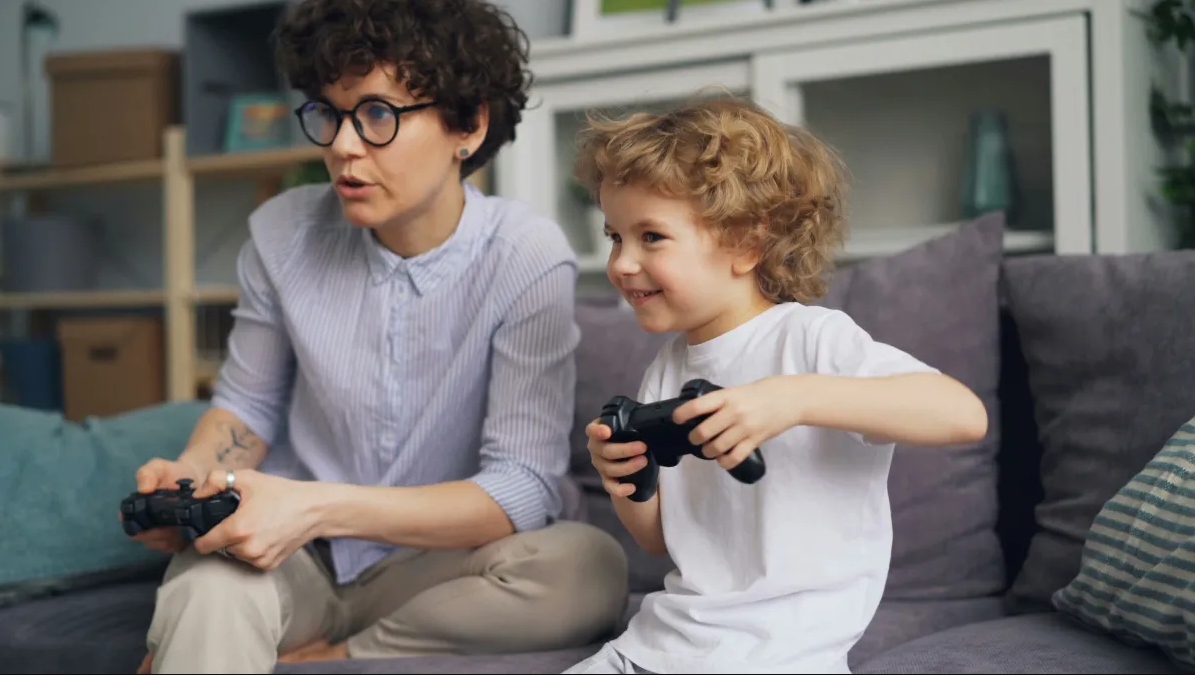
Forty-two per cent of parents indicated that their children were “using play-assisted teaching” in schools, 29 per cent included play development in the technical curriculum, and 27 per cent had a variety of play theme associations. “This year’s study shows that parents’ understanding and love of the game goes far beyond traditional knowledge and that they recognize the role played by the game in facilitating learning and skills development.”
The author of the report, Jeffrey Brand, Professor at Bond University, added: “Studies show Australians’ belief that games can create immersive learning environments for different ages and effectively develop multiple skills. The game not only provides pleasure and entertainment, but also carries the multiple values of social connectivity, educational practice and mental health.”