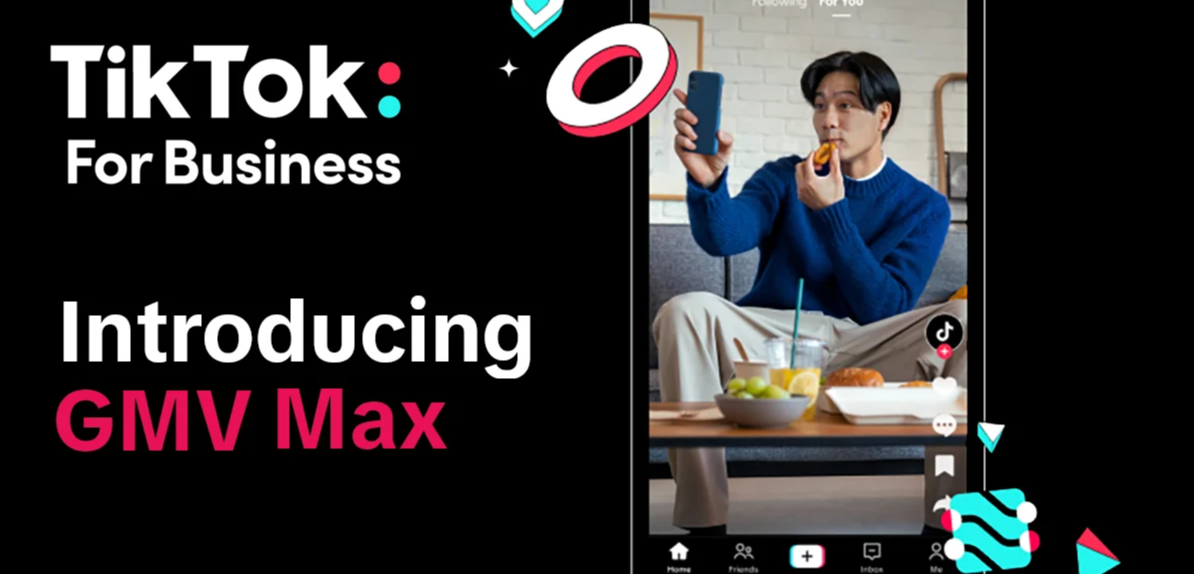
TikTok Shop will enforce all paid advertising brands to use its AI tool GMV Max as of 1 September 2025. The tool automates the process of advertising and management through algorithms, with brands setting a daily budget and target ROI (investment return) and the system automatically optimizes advertising content, target audience and placement to maximize GMV (total value of goods). This change aims to simplify advertising operations and improve overall marketing efficiency.
The core mechanisms of GMV Max include the integration of fee advertising, organic content and coalition flows, using TikTok ‘ s machine learning algorithm to dynamically adjust budget allocations and creative choices. It automatically extracts assets from brand accounts, store accounts and the content of the author ‘ s authorization, and attributes all shop purchases during advertising (including organic sales) to the tool even if the consumer does not see the advertisement directly. This makes the ROI calculation more focused on overall platform performance than on a single advertisement.
For small and medium-sized brands, in particular those DTC (direct to consumers) that rely on TikTok Shop as their main distribution channel, the tool is considered “game changers” because it saves time and provides ROI protection mechanisms: TikTok automatically issues advertising credit if the actual ROI is below the target of 90 per cent.
However, this policy of coercion has given rise to significant differences, in particular concerns of large brands and advertising agencies. They argue that GMV Max has deprived strategic control and left marketing decisions entirely to “black box” algorithms, making it difficult for brands to obtain detailed performance insights, such as geographical location, breakdown of audience or creator data. This makes it difficult to optimize the cross-platform strategy and may exaggerate the internal TikTok performance indicators.
Moreover, the dispute over the attribution mechanism is that it includes all sales in the GMV Max, even if part of the sales originates in organic flows or non-advertising interactions, which are seen by some brands as non-transparent and potential performance expansion. Advertising practitioners indicated that this change was similar to Google and Meta ‘ s AI tools (e.g. Performance Max), but that TikTok ‘ s mandatory and rapid implementation (formerly planned for July and subsequently postponed to September because of complaints) was hasty for many. On social media, some users and sellers expressed similar concerns that GMV Max might be better placed on the platform than on the brand and questioned its handling of commissions and sales data.

In response, TikTok stated that the tool was part of an industry trend aimed at improving efficiency and providing multidimensional measurement programmes, including first- and third-party tools, to assess the impact of sales both inside and outside the platform. They stressed that GMV Max had led to sales growth for many businesses and committed to continuous optimization based on feedback. However, a number of key indicators, such as detailed audience insight, are not yet fully open, which exacerbates the transparency controversy.
Overall, this policy may accelerate the AI-driven transition of TikTok Shop, but it also highlights tensions between the Platform and advertisers over control and data sharing. The analyst indicated that it was recommended to rely on TikTok ‘ s brand to pre-test GMV Max and to mitigate potential risks by combining organic content and alliances.