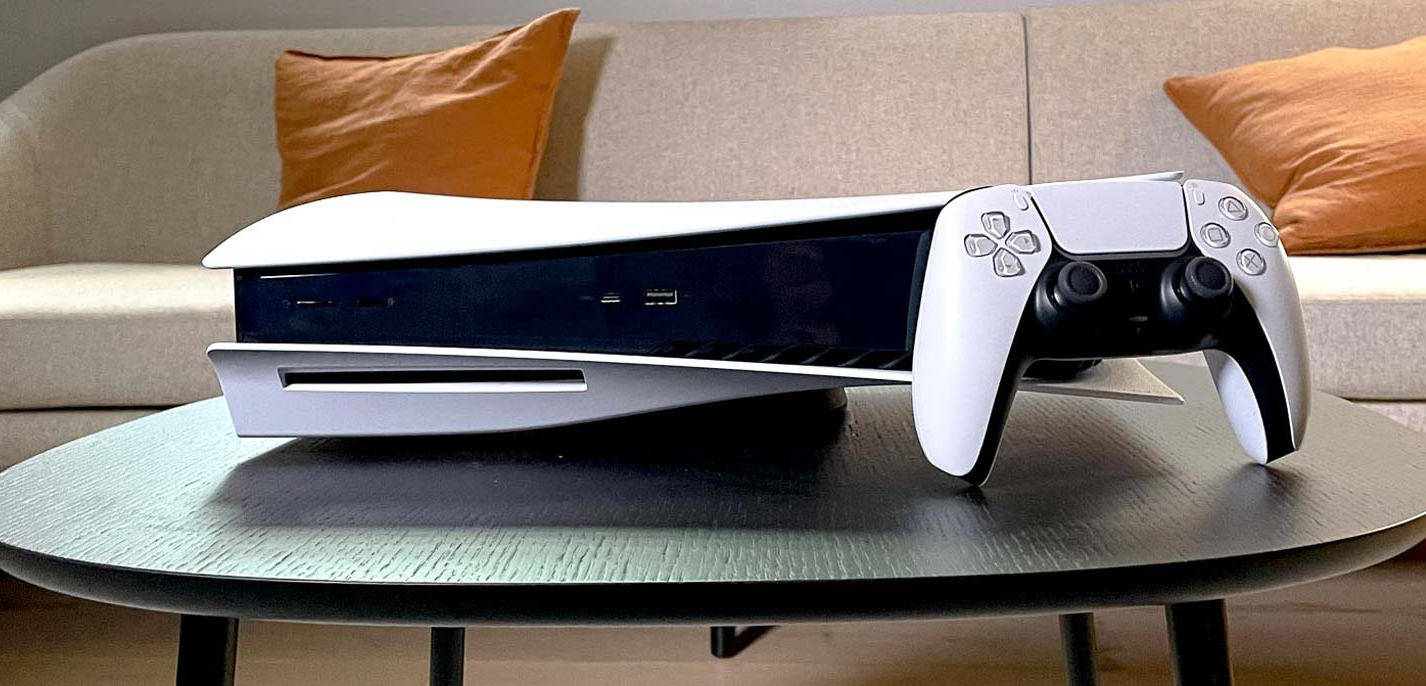
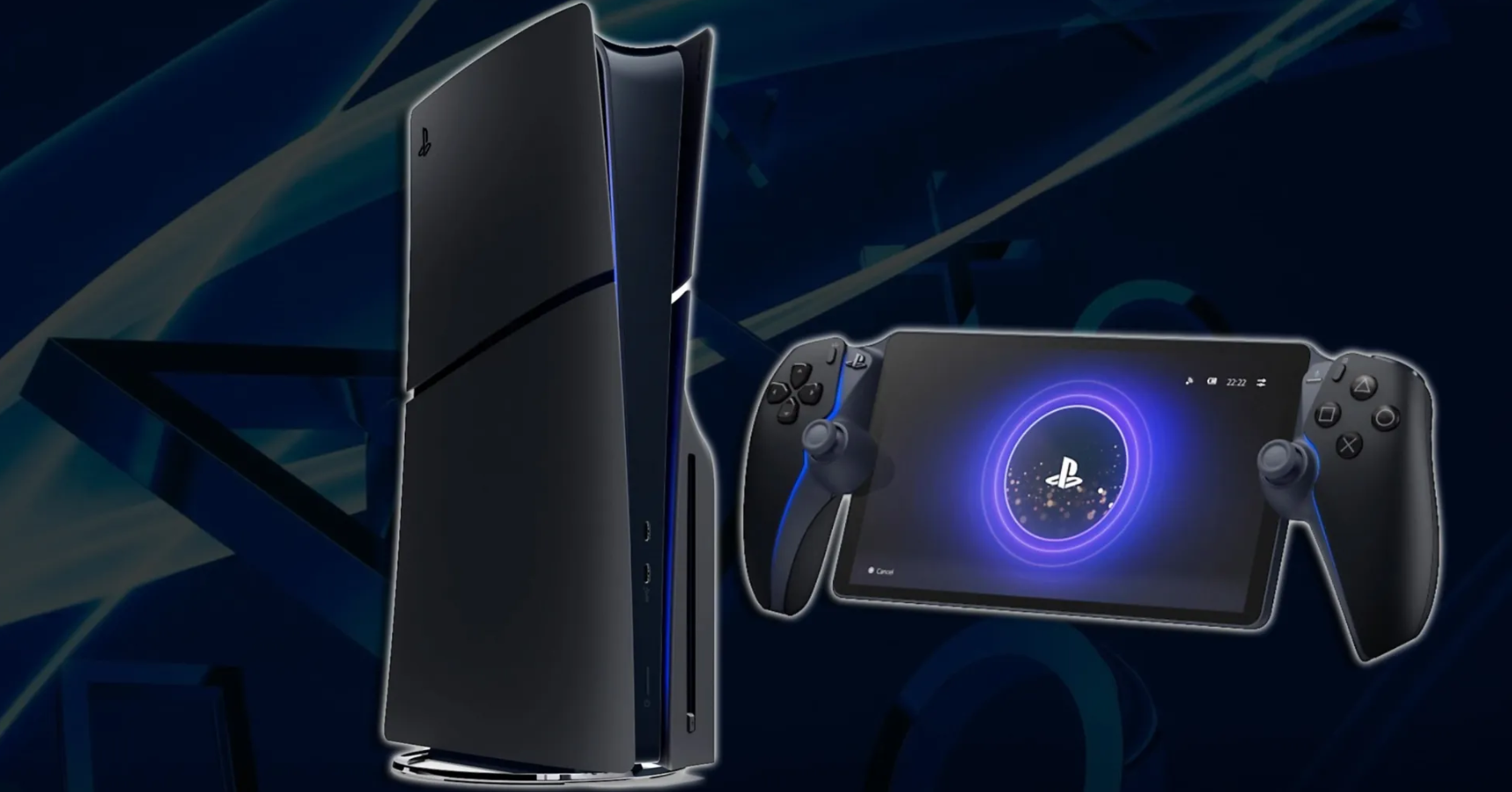
In an increasingly volatile global economic situation, Sony announced that it would increase the sale price of the entire PlayStation 5 series on the United States market from 21 August to $50. The company stated that it was continuing to “respond to a challenging economic environment” and decided to shift costs to consumers.
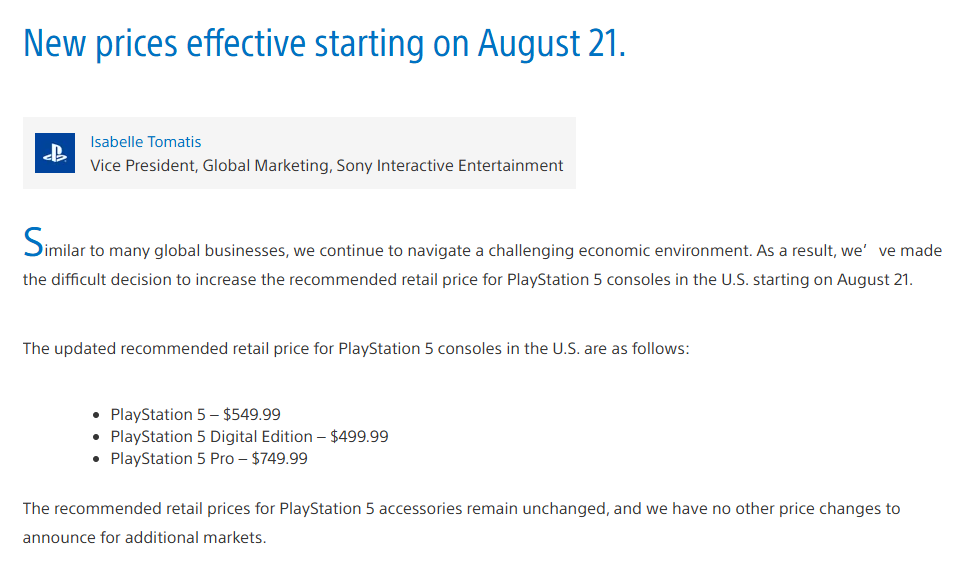
The PS5 mainframe was sold at $550 for PS5 Slim at an original cost of $500; $500 for PS5 Slim at an original cost of $450; and $750 for PS5 Pro at an original cost of $700.
In a brief statement issued today, the Vice President of Sony’s Interactive Entertainment Global Marketing, Isabel Thomas, said: “Like many global companies, we are still coping with a challenging economic environment. As a result, we made a difficult decision to raise the recommended retail price of US PS5 from 21 August.”
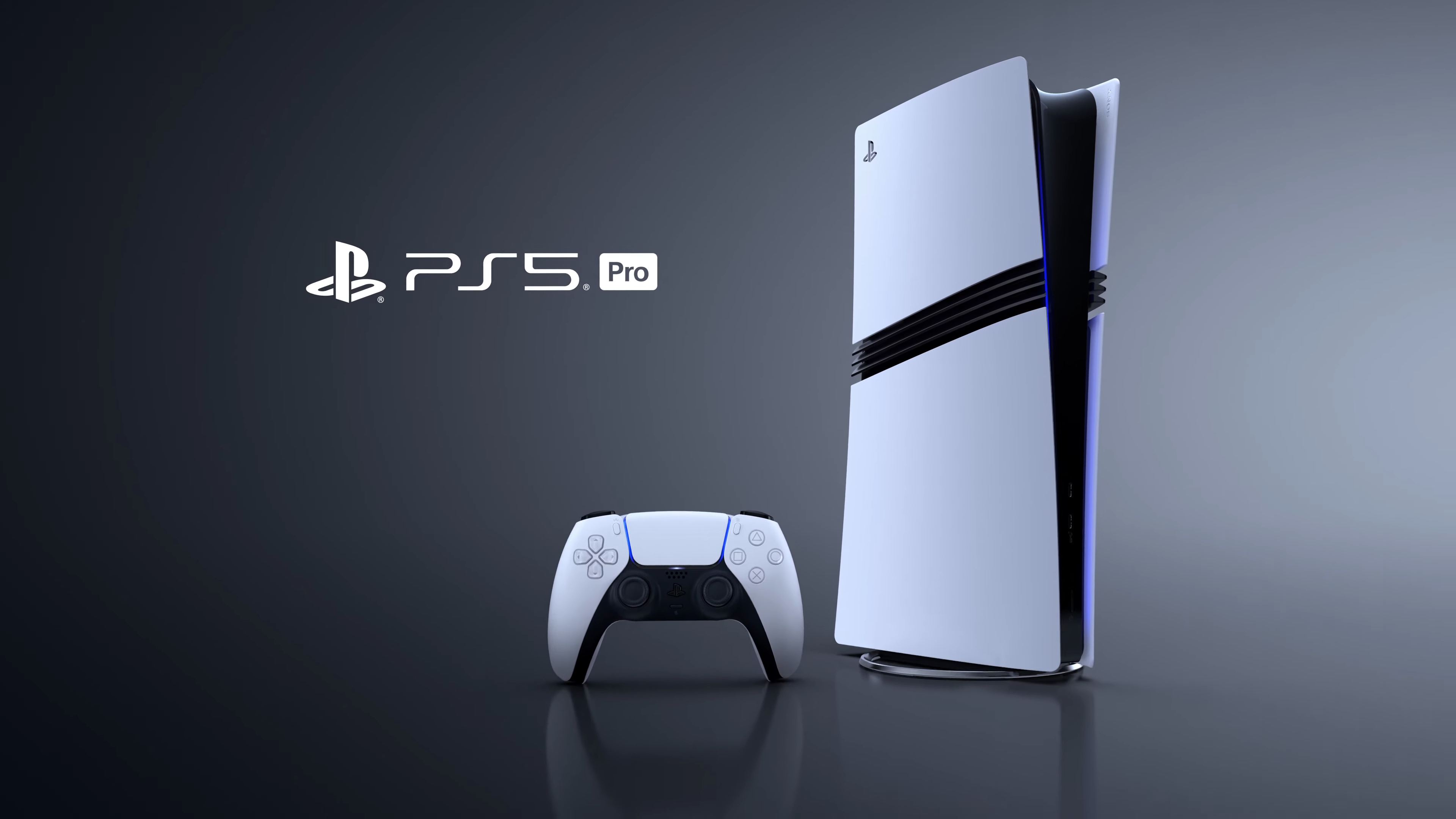
Sony emphasized that spare parts prices remained constant and that the price increase was only for the United States market, and that Sony had raised the price of PS5 in the United Kingdom, continental Europe, Australia and New Zealand earlier in the year, after it had risen once in 2022.
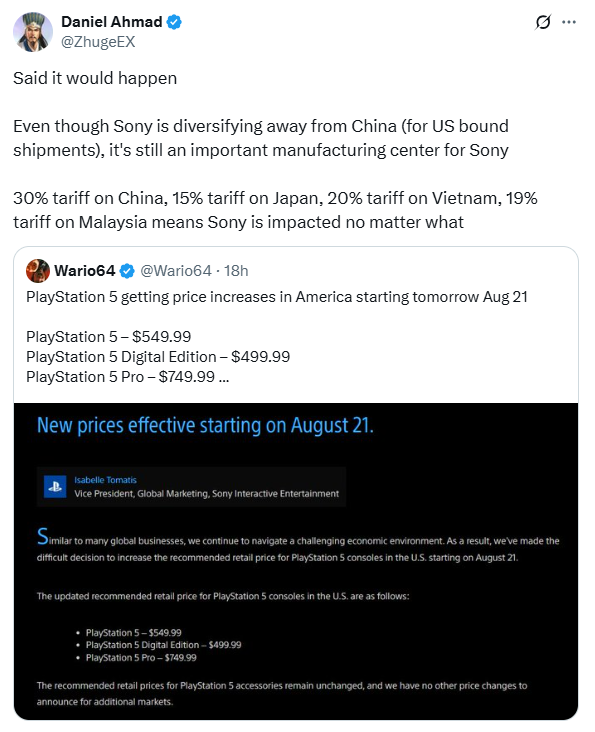
A well-known analyst, Daniel Ahmed, noted that the price increases were in the context of an increase in United States tariffs for major PS5 producers: China (30 per cent), Japan (15 per cent), Viet Nam (20 per cent) and Malaysia (19 per cent).
Previously, Microsoft had announced an increase in the price of the Xbox mainframe, and Nintendo had indicated, or because of tariff adjustments, the sale price of Switch 2 (some of its accessories had been raised). The new tariff policy announced by United States President Trump on 1 August triggered a market shock, the second after the Emancipation Day tariff in April.
The price increase coincided with a global sale of over 80 million PS5. Although Sony has not yet made public the next generation hosting plan, recent developments have provided clues about the potential features of PlayStation 6.
According to past market habits, a game host that has been sold for more than five years has reached the end of its life cycle, which is the period during which price reductions attract consumers. However, Microsoft, Nintendo and Sony, the “Kings” in the game industry have increased prices, proving that the “early and late discounts” no longer apply to the current market environment. In this economic situation, players ‘ consumption habits are bound to change.